
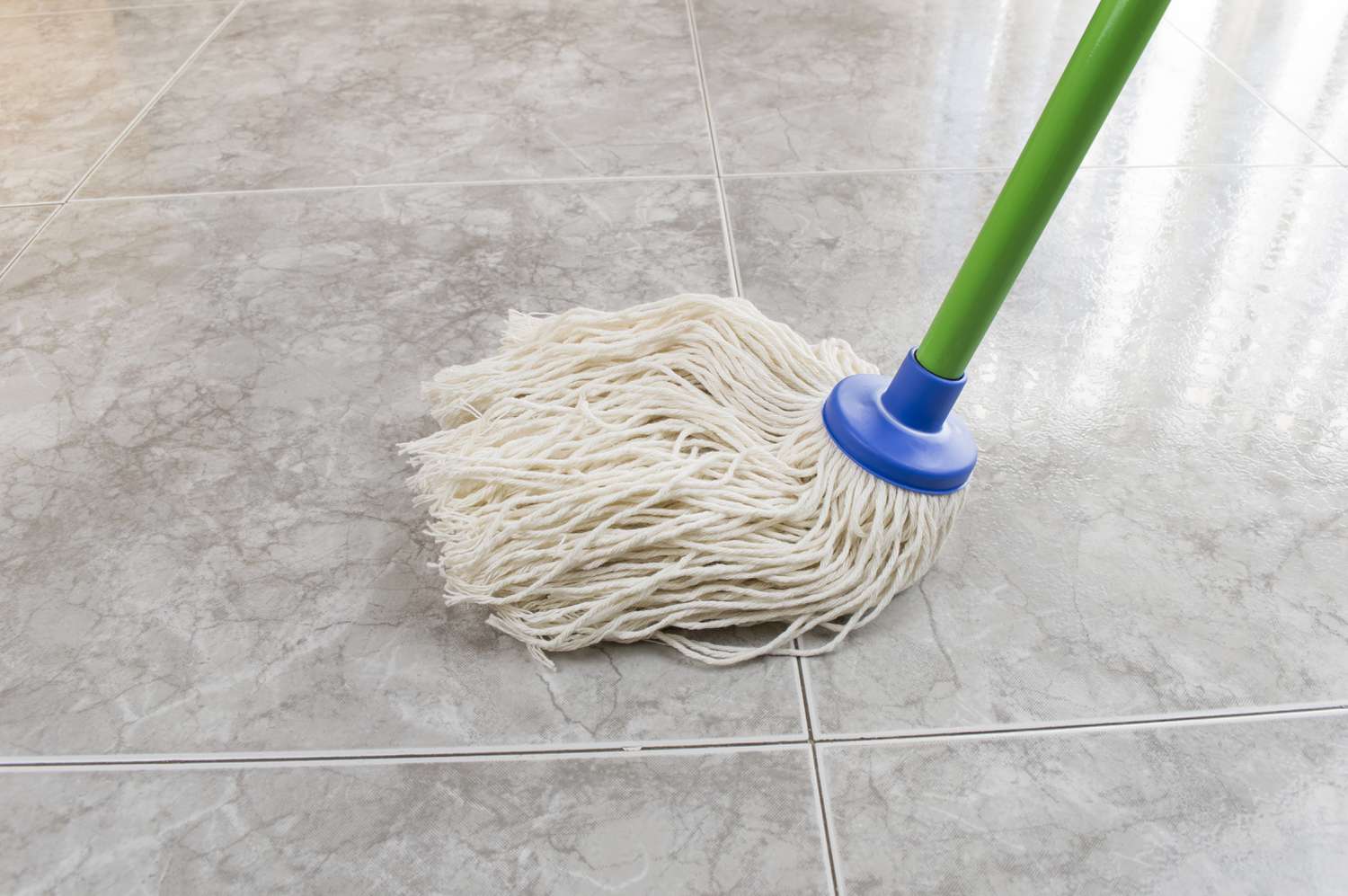
Cleanrooms are designed to keep dust, bacteria, and other contaminants under control. They are commonly used in industries like pharmaceuticals, biotechnology, electronics, healthcare, and semiconductor manufacturing. Keeping these areas clean requires special cleaning tools, including cleanroom mops.
Many businesses focus on cleaning schedules but often overlook the condition of the mops themselves. Using old or damaged cleanroom mops can reduce cleaning efficiency and increase the risk of contamination. So, how often should you replace cleanroom mops? The answer depends on several factors.
Why Cleanroom Mops Matter
Cleanroom mop program are specially designed to remove dust, particles, and microbes without leaving lint or residue behind. Unlike regular mops, they are made from materials that meet cleanroom standards.
If a mop becomes worn out or damaged, it may no longer clean surfaces properly. It can even spread dirt and particles instead of removing them, putting product quality and workplace safety at risk.
Replace Mops Based on Their Condition
There is no fixed rule that says every cleanroom mop must be replaced after a certain number of days. Instead, businesses should inspect mops regularly and replace them when they show signs of wear.
Replace a cleanroom mop if you notice:
- Frayed or damaged fibers
- Loose threads or lint
- Stains that do not come off after washing
- Reduced ability to absorb liquids
- Bent or damaged mop frames
- Visible signs of contamination
Using damaged mops can affect cleaning performance and increase contamination risks.
Consider the Frequency of Use
The more often a mop is used, the faster it wears out.
For example:
- Mops used several times a day in busy cleanrooms may need replacement more often.
- Mops used occasionally in lower-traffic cleanrooms may last much longer.
High-use environments should have a routine inspection process to ensure mops remain in good condition.
Follow Manufacturer Recommendations
Most cleanroom mop manufacturers provide guidelines on the expected lifespan of their products. Some reusable mop heads are designed to withstand a certain number of industrial wash cycles before their performance begins to decline.
Following these recommendations helps maintain consistent cleaning quality and ensures the mop continues to meet cleanroom standards.
Check After Every Cleaning Cycle
After each cleaning session, inspect the mop before storing it.
Look for:
- Tears or worn fabric
- Loose stitching
- Damage to the handle or frame
- Remaining dirt or residue
Finding problems early prevents damaged equipment from being used during the next cleaning cycle.
Replace Mops After Heavy Contamination
If a mop has been used to clean up chemical spills, hazardous materials, or biological contamination, it may need immediate replacement depending on your facility’s cleaning protocols.
Using a heavily contaminated mop again can spread harmful substances throughout the cleanroom.
Keep Extra Mops Available
It is always a good idea to keep spare cleanroom mops in stock. This allows staff to replace damaged mops immediately without interrupting cleaning schedules.
Having backup mops also supports regular rotation, helping extend the life of reusable mop heads while maintaining high cleaning standards.
Train Staff on Proper Mop Care
Proper handling can significantly extend the life of cleanroom mops.
Employees should:
- Wash mops using approved cleaning procedures.
- Store them in a clean, dry area.
- Avoid dragging mops across rough surfaces.
- Inspect them before every use.
- Report damaged mops immediately.
Good maintenance helps improve cleaning performance and reduces unnecessary replacement costs.
Conclusion
There is no one-size-fits-all schedule for replacing cleanroom mops. The right time depends on how often they are used, how well they are maintained, the manufacturer’s guidelines, and their overall condition. Regular inspections are the best way to ensure mops continue to clean effectively without introducing contamination.
Replacing worn or damaged cleanroom mops at the right time helps maintain cleanroom standards, protects sensitive products, and supports compliance with industry regulations. By following a proper inspection and replacement routine, businesses can ensure a cleaner, safer, and more efficient working environment.