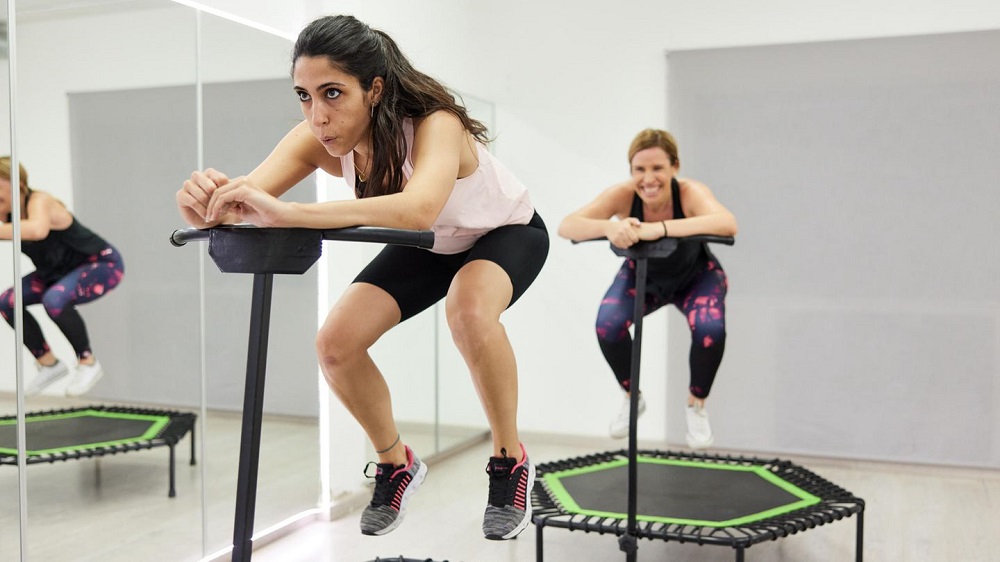
A workplace programme built around trampoline fitness singapore can introduce movement in a format that feels different from a standard corporate gym session. The novelty may attract employees who do not identify with conventional fitness activities, but novelty alone will not create lasting participation.
Mixed-ability teams need clear intensity options, practical scheduling and a psychologically safe environment. A session designed only for the fittest employees can quickly discourage the people a workplace wellness programme most hopes to include.
Begin With Voluntary Participation
Corporate fitness should be offered as an opportunity, not an informal test of enthusiasm or team loyalty. Employees may have personal, medical, cultural or scheduling reasons for declining.
Managers should avoid tracking participation in ways that influence performance perceptions. Attendance should not become evidence that someone is more committed to the organisation.
Voluntary participation produces a more honest environment. Employees who attend are more likely to engage because the activity suits them.
The programme can still be promoted positively without creating social pressure.
Design Three Valid Intensity Levels
A mixed-ability class should provide more than an advanced movement and an unappealing easier version. Each option should feel like a complete workout.
A controlled level can use low rebounds, simple foot patterns and generous recovery. A working level may increase cadence and arm involvement, while a challenge level introduces longer intervals or additional coordination.
Employees should be able to change levels during the session. Daily readiness varies, even among experienced participants.
Classes offered through TFX Singapore can use instructor-led modifications to keep the group together while allowing individual control.
Avoid Public Fitness Ranking
Leaderboards and public performance comparisons can motivate a small group while discouraging others. Trampoline exercise also involves coordination, making simple rankings difficult to interpret fairly.
A participant with a lower rebound may be demonstrating excellent control. Another person moving faster may have more experience rather than greater effort.
Corporate sessions should emphasise personal regulation and movement quality. If progress is tracked, it can focus on attendance, confidence or individual consistency.
The objective is shared participation, not identifying the office’s best jumper.
Select a Workable Time
The ideal class time depends on the team’s actual responsibilities. Lunch sessions may suit some offices, while others need early evening or staggered groups.
Travel, changing and cooling down must be included in the schedule. A 45-minute workout can require considerably more time away from the desk.
Organisers should test the full routine and consult employees before committing to a slot. A slightly shorter class at a reliable time may achieve better attendance than an ambitious session that conflicts with meetings.
Regularity matters more than choosing a theoretically perfect time.
Address Clothing and Changing Needs
Employees may not have suitable exercise clothing at work unless the session is planned in advance. Storage, showers and changing facilities influence whether participation feels practical.
Teams returning to formal workplaces need enough time to cool down and prepare. Singapore’s humidity can make a rushed return particularly uncomfortable.
Organisers should communicate what participants need to bring without creating an expensive equipment list. Comfortable clothing, secure footwear where required, water and a towel may be sufficient, subject to class guidance.
Clear information reduces uncertainty for first-time participants.
Create Psychological Safety
Some employees feel self-conscious learning movement in front of colleagues. A supportive instructor can normalise mistakes and explain that coordination develops through practice.
Managers should participate without dominating the session or commenting on individual performance. Jokes about fitness, body shape or lack of coordination can damage trust even when presented lightly.
Photography should require explicit consent. Employees should be able to join without appearing in promotional material.
A respectful atmosphere allows people to focus on the activity instead of how they are being judged.
Plan for First-Time Participants
The first corporate class should not attempt to demonstrate every advanced feature of rebound training. Participants need time to understand the surface and develop landing confidence.
A structured warm-up can introduce stance, low rebounds and basic rhythm. Complexity can increase only after the group shows control.
Experienced employees can receive progressions that preserve the same movement theme. This prevents them from becoming bored without forcing beginners to follow.
The first session should leave people curious to return, not relieved that it ended.
Connect the Programme to Daily Movement
One weekly class cannot resolve an otherwise sedentary work culture. It can, however, become a visible anchor for broader movement habits.
Teams can combine the programme with short walking breaks, standing discussions or active commuting where practical. These actions should remain flexible rather than turning the workplace into a constant fitness campaign.
The class provides structured exercise, while everyday movement reduces long uninterrupted sitting.
This creates a more complete approach than relying on occasional wellness events.
Measure the Right Outcomes
High attendance at the first session often reflects curiosity. Retention across several weeks provides more useful information.
Organisers can ask whether the timing, intensity options and changing arrangements work. Feedback should be anonymous when employees may feel uncomfortable criticising a manager-led initiative.
Success may include employees feeling more confident with exercise, interacting across teams or protecting a genuine break from work.
Physical measurements are not necessary for every corporate programme and should never be collected casually.
Adapt to Workload Cycles
Participation may decline during major deadlines, reporting periods or seasonal peaks. This does not automatically mean the programme has failed.
The schedule can temporarily offer shorter sessions or alternative times. Employees should be able to return without feeling that they have fallen behind.
A rigid programme that ignores workload may disappear completely during the busiest period. A flexible one can maintain a smaller but useful presence.
Corporate wellness must fit the organisation’s real calendar.
Build a Programme People Can Repeat
Mixed-ability participation depends on more than making the exercises easier. Employees need autonomy, respectful coaching and practical logistics.
When each intensity option feels legitimate, people can select the challenge that suits them. When the schedule includes travel and changing time, the class stops competing with the working day.
A successful corporate trampoline programme does not identify the strongest employee. It creates a repeatable opportunity for a diverse team to move, learn and step away from sedentary routines together.