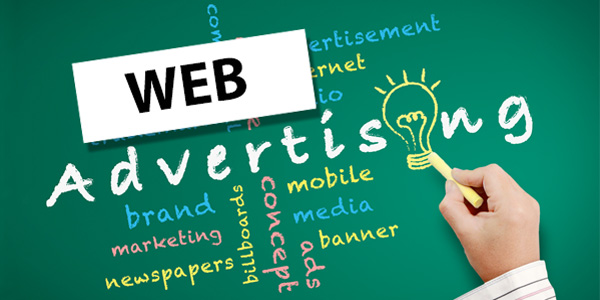
In the modern era, where attention has become one of the most coveted currencies, advertising stands as both a reflection of societal values and a powerful agent of influence. From the jingles that once danced through radio waves to the algorithmically tailored ads on our smartphone screens, advertising has evolved into a sophisticated craft, fusing psychology, creativity, and data science. Its purpose, at its core, remains unchanged: to persuade. Yet the means and magnitude of its reach have transformed advertising into something far more nuanced than simple promotion.
At its best, advertising transcends the realm of commerce and becomes cultural commentary. Consider the iconic Coca-Cola campaigns of the mid-20th century or Apple’s groundbreaking “1984” commercial. These were not mere product pitches; they were moments that captured the zeitgeist. Through memorable slogans, visuals, and narratives, they etched themselves into public consciousness and shaped brand identities for generations. Effective advertising doesn’t merely ask consumers to buy—it invites them to believe, to feel, and to identify.
The foundations of persuasive advertising lie in an astute understanding of human behavior. Advertisers have long drawn from the well of psychology to craft messages that resonate. Concepts such as scarcity, authority, social proof, and reciprocity are not just theoretical—they’re embedded in countless campaigns. The fragrance commercial that suggests confidence and allure, the car advertisement that subtly equates speed with freedom, the eco-friendly product that appeals to one’s moral compass: all are carefully designed to tap into our emotional and cognitive responses.
Yet, for all its cleverness and creativity, advertising exists within a delicate ethical framework. At what point does persuasion become manipulation? This question has become more urgent with the rise of digital advertising, where data-driven insights allow for unprecedented precision in targeting. The very platforms we use to connect and unwind—social media, video streaming, search engines—are laced with advertisements that know more about us than we might care to admit. Behavioral targeting, while highly effective, raises profound concerns about privacy, consent, and the commodification of personal data.
Moreover, advertising doesn’t merely reflect societal trends; it also reinforces and shapes them. The images and narratives it promotes influence public perceptions of beauty, success, gender roles, and lifestyle aspirations. In doing so, advertising carries a weighty responsibility. Brands are increasingly being called upon to be socially aware, inclusive, and authentic in their messaging. Gone are the days when a catchy jingle was enough; today’s consumers, particularly younger demographics, demand transparency and purpose. A single tone-deaf campaign can ignite backlash and erode years of brand equity.
Conversely, when brands rise to the occasion, the results can be both inspiring and impactful. Campaigns that celebrate diversity, champion sustainability, or support social causes not only enhance brand reputation but also contribute positively to public discourse. The best of modern advertising aligns profit with principle, creating a resonance that goes beyond the transaction.
It would be remiss not to acknowledge the role of storytelling in advertising’s enduring power. Storytelling is intrinsic to human communication, and advertising that tells a compelling story often leaves the deepest impression. A well-told narrative can turn a product into a symbol, a service into a promise. It creates emotional arcs, characters to identify with, and conflicts that resolve in the favor of the brand. This narrative structure, borrowed from literature and cinema, adds depth and memorability, allowing the message to linger long after the ad ends.
In the realm of visual aesthetics, advertising also showcases the fusion of art and commerce. From the color schemes that evoke trust and excitement to the typography that conveys elegance or energy, every design choice contributes to a brand’s voice. Great advertisements are, in a sense, miniature masterpieces—meticulously constructed to deliver meaning within seconds. The brevity demanded by platforms like Instagram or TikTok challenges advertisers to distill their essence with remarkable clarity and impact.
Yet perhaps the most profound shift in advertising today is the decentralization of influence. No longer confined to billboards, magazines, or prime-time television, advertising now thrives in a digital ecosystem where influencers, user-generated content, and peer recommendations hold significant sway. The line between content and advertisement has blurred, and authenticity—real or perceived—has become the new gold standard. In this democratized landscape, even small brands can gain massive visibility if their message strikes the right chord.
As we look ahead, the future of advertising promises even more transformation. Artificial intelligence, virtual and augmented reality, and immersive storytelling will continue to redefine the boundaries of what is possible. Personalization will grow ever more granular, and interactivity will become the norm. But amidst all this innovation, the core challenge remains: how to connect meaningfully with an audience, to spark interest and emotion in an age of distraction and skepticism.
In conclusion, advertising is far more than a commercial endeavor. It is a barometer of culture, a stage for creativity, and a test of ethical judgment. It wields the power to inform, inspire, and at times, mislead. Navigating this complex terrain requires not only skill and strategy but also conscience and vision. As consumers grow savvier and more discerning, the future of advertising will belong to those who can marry innovation with integrity—crafting messages that don’t just sell, but resonate.